Rechercher dans ce blog

Monday, October 4, 2021

3 Tips To Help You Eat Better Without Counting Calories - L.A. Weekly

In partnership with The Fresh Toast

Counting calories doesn’t work for everyone, and can often lead to restriction. Here are some tips that can help you eat better and lose weight without all the negative baggage.

Terms like dieting and calories are triggers for many, often associated with calorie restriction and obsessive eating patterns. But a healthy lifestyle can be fun and delicious, especially when you work hard to create a separation between your weight and the health of your body.

Counting calories is never helpful, but it’s a tool many use to lose weight. While it might work for some, for the vast majority of people it’s a stressful measure and unnecessary when following other ways of measuring how much and how healthy you eat. Here are 3 tips to help you eat better without resorting to counting calories:

Start with your mindset

Eating This 5 Times A Week Can Extend Your Life
Photo by Pablo Merchán Montes via Unsplash

RELATED: Hungry Before Bed? Here’s What You Can Do About It

The sooner you start viewing healthy eating as something healthy and nourishing over something annoying and painful, the better. In order to reap long-term benefits, it’s important to enjoy eating healthy and to develop a healthy relationship with food. Tricks like stocking up on healthy foods you love and trying out new recipes can help make this transition more easy and sustainable.

Try very hard to love vegetables
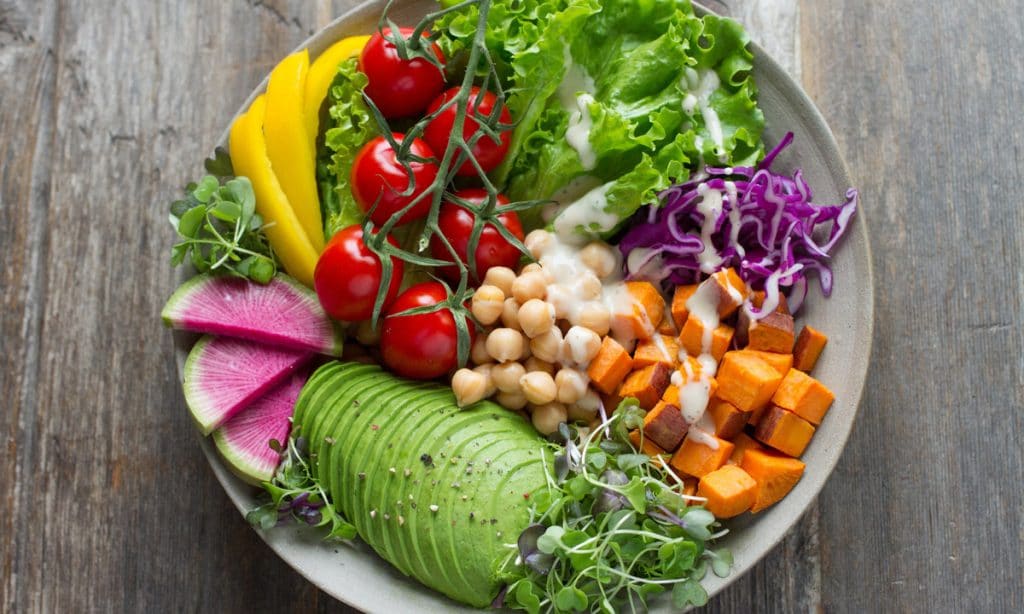
Healthy New Year's Resolutions
Photo by Anna Pelzer via Unsplash

You don’t have to know about nutrition in order to know that vegetables are good for you. They provide nutrients, fiber and vitamins that make your body function properly while also helping you feel full. So, when in doubt and faced with breakfast, lunch or dinner, go with a side of veggies… or make plants the base of all of your meals, if you’re feeling really inspired!

Use smaller plates

Photo by Hero Images/Getty Images

RELATED: Drinking This Every Day Can Reduce Your Odds Of Heart Disease

While it sounds a little silly, a smaller plate tricks your brain into thinking you’re eating more and prevents you from eating larger portions, which can sometimes be difficult to grasp when not actively measuring your portions. When putting food on a large plate, your brain thinks it’s less food than it actually is; the reverse is also true, something you can use to your advantage.

This trick won’t do all of the work for you, but it can help you eat smaller portions in a way that’s less aggressive than simply cutting down on carbs and other caloric foods.

Read more on The Fresh Toast

Adblock test (Why?)


3 Tips To Help You Eat Better Without Counting Calories - L.A. Weekly
Read More

Secret Side Effects of Eating Pecans, Says Science | Eat This Not That - Eat This, Not That

It's a pretty well-known fact that most nuts are extraordinarily healthy snacks that come with a host of health benefits.  This is especially true for eating pecans, which are heart-healthy and can even help to ward off diseases.

While pecans can be very healthy for you and aid your body in surprising ways, they can also have their own pitfalls, so make sure to always be conscious of what you're eating, and how much of it. Here's what you need to know about eating pecans, and for been more healthy tips, be sure to check out our list of The 7 Healthiest Foods to Eat Right Now.

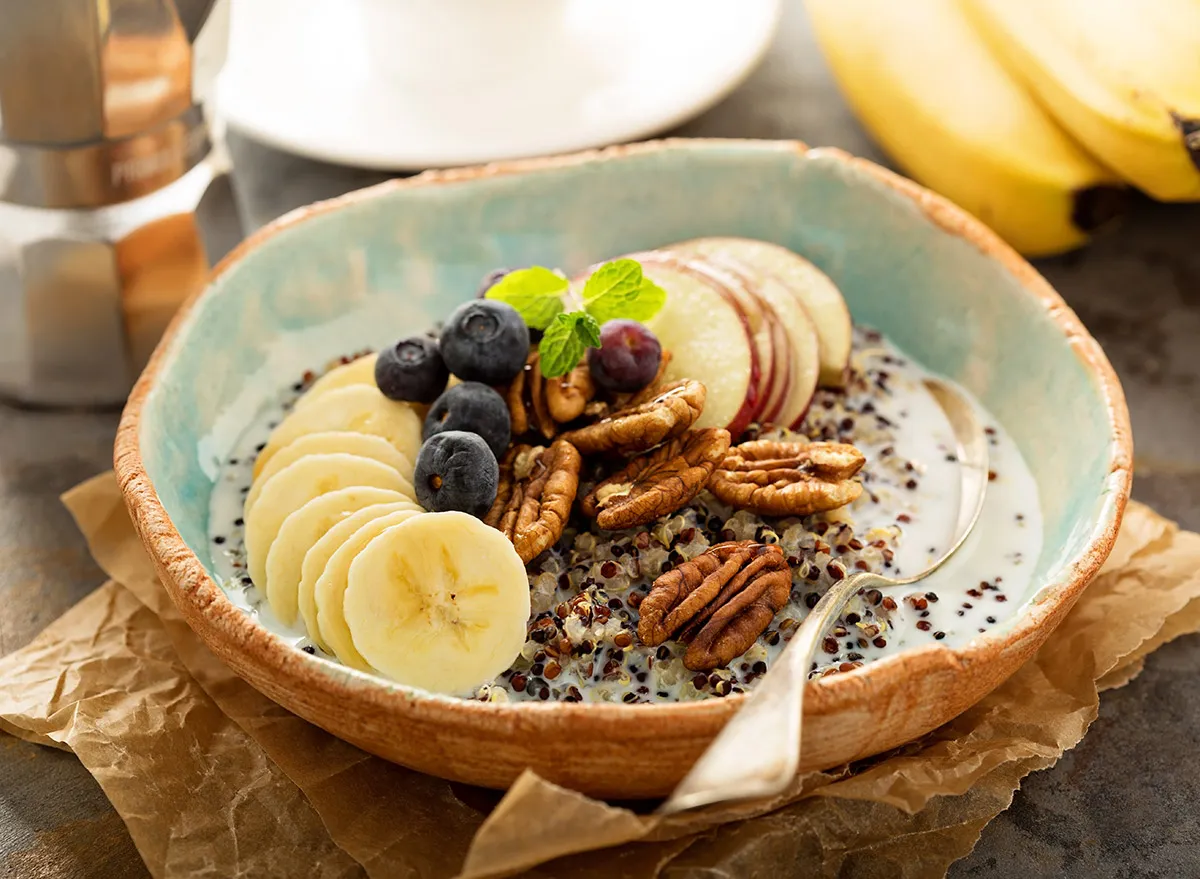
pecans in a breakfast bowl with quinoa and fruit
Shutterstock

Nuts aren't just a healthy snack. Along with studying, playing mentally stimulating games, and other activities that help boost brain strength, eating a variety of nuts—including pecans—has been proven to have an overall positive impact on brain cognition.

A study from The Journal of Nutrition, Health & Aging concluded that there is a link between the consumption of nuts, including pecans, and better overall mental cognition. The survey suggests that consuming just five servings of nuts per week can help boost your brain's cognitive strength.

RELATED: Get even more healthy tips straight to your inbox by signing up for our newsletter!

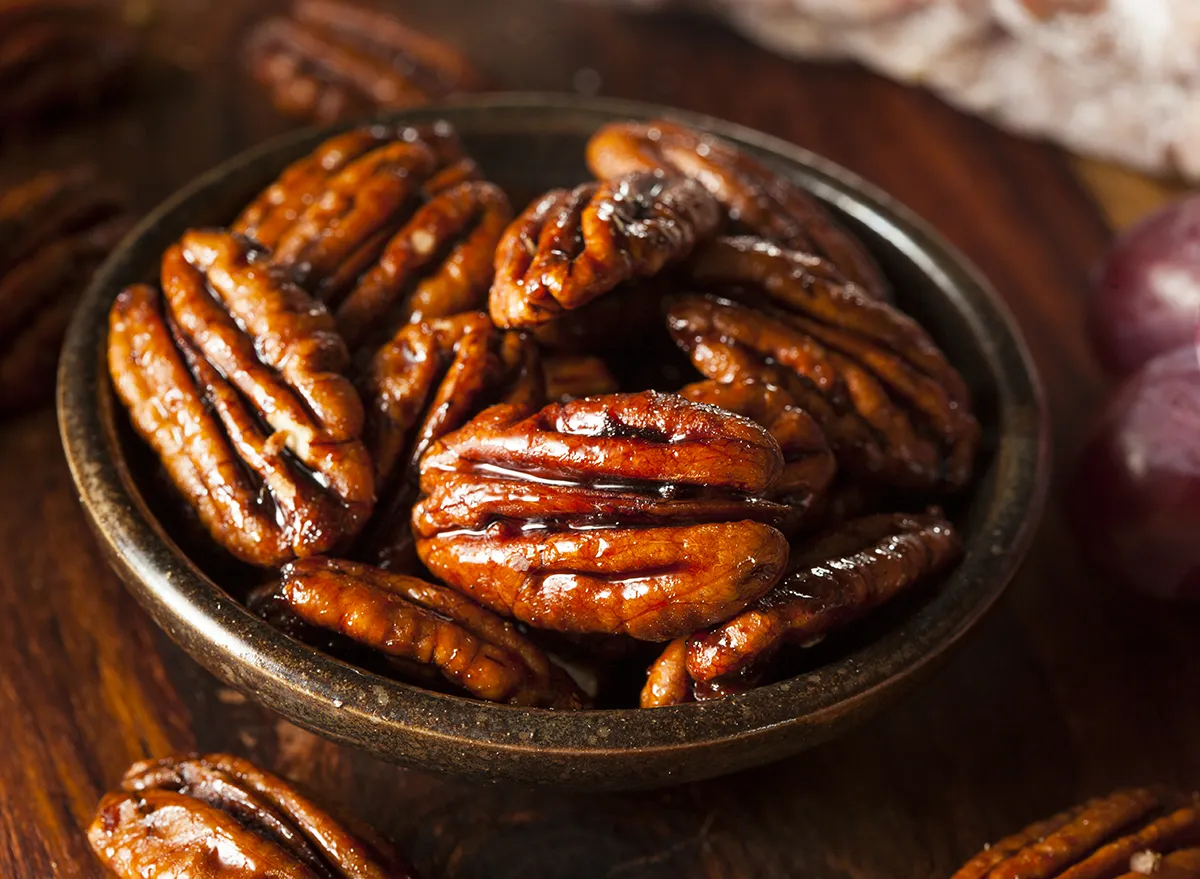
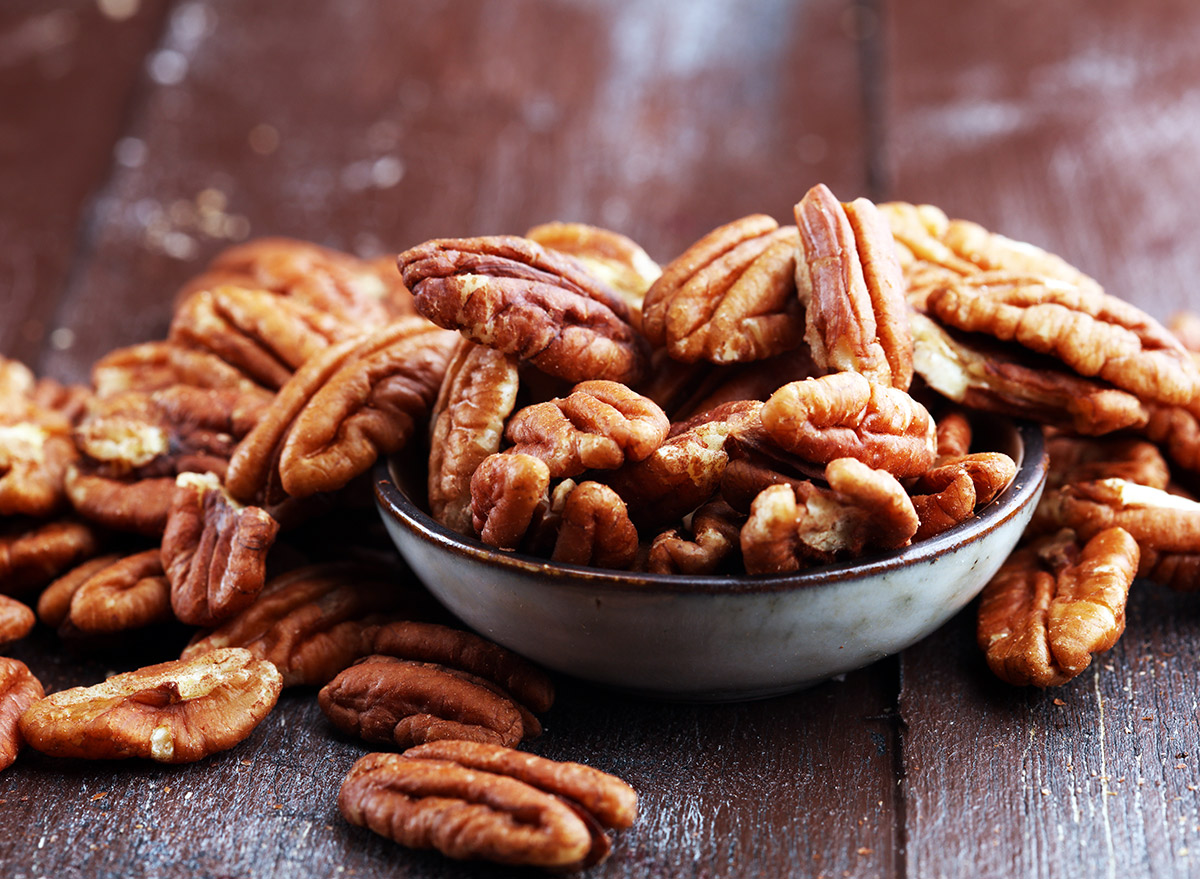
roasted pecans in bowl
Shutterstock

One of the more negative sides to aging is that many people develop arthritis, which is the swelling and tenderness in joints. Eternal youth is one way to stave off the onset of arthritis, but a more realistic option is eating pecans, which contain omega-3 fatty acids. The heart-healthy nutrients are found in many nuts, including pecans.

According to a study from Asclepeion Hospital in Greece, omega-3 fatty acids have a significant impact on health, including on arthritis. In addition to that, omega-3 fatty acids have been proven to help decrease inflammation by modulating the autoimmune inflammatory response.

For a delicious, salty snack that can satisfy your pecan craving, check out our Seasoned Nut Mix recipe.

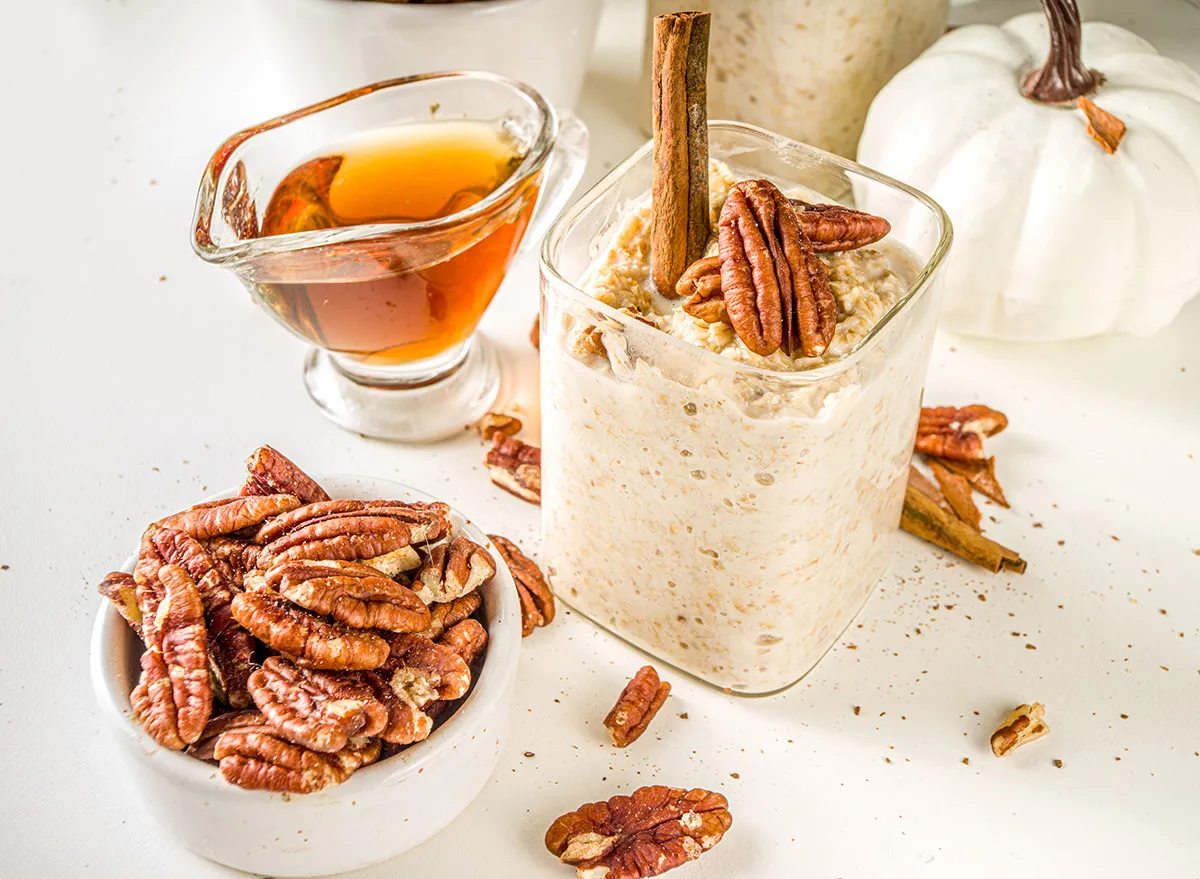
pecans with overnight oats and maple syrup
Shutterstock

It's well known that to lower cholesterol you can feast on a bowl of Cheerios for breakfast. The circle-shaped cereal has been marketing itself as a heart-healthy breakfast option for years, but it's not the only food that can help to lower cholesterol. Servings of pecans can also contribute to lower cholesterol instead of subsisting on cereal.

Participants in a study published in The Journal of Nutrition saw a reduction in total cholesterol after eating pecans for eight weeks, as well as a decrease in triglycerides and certain types of glucose.

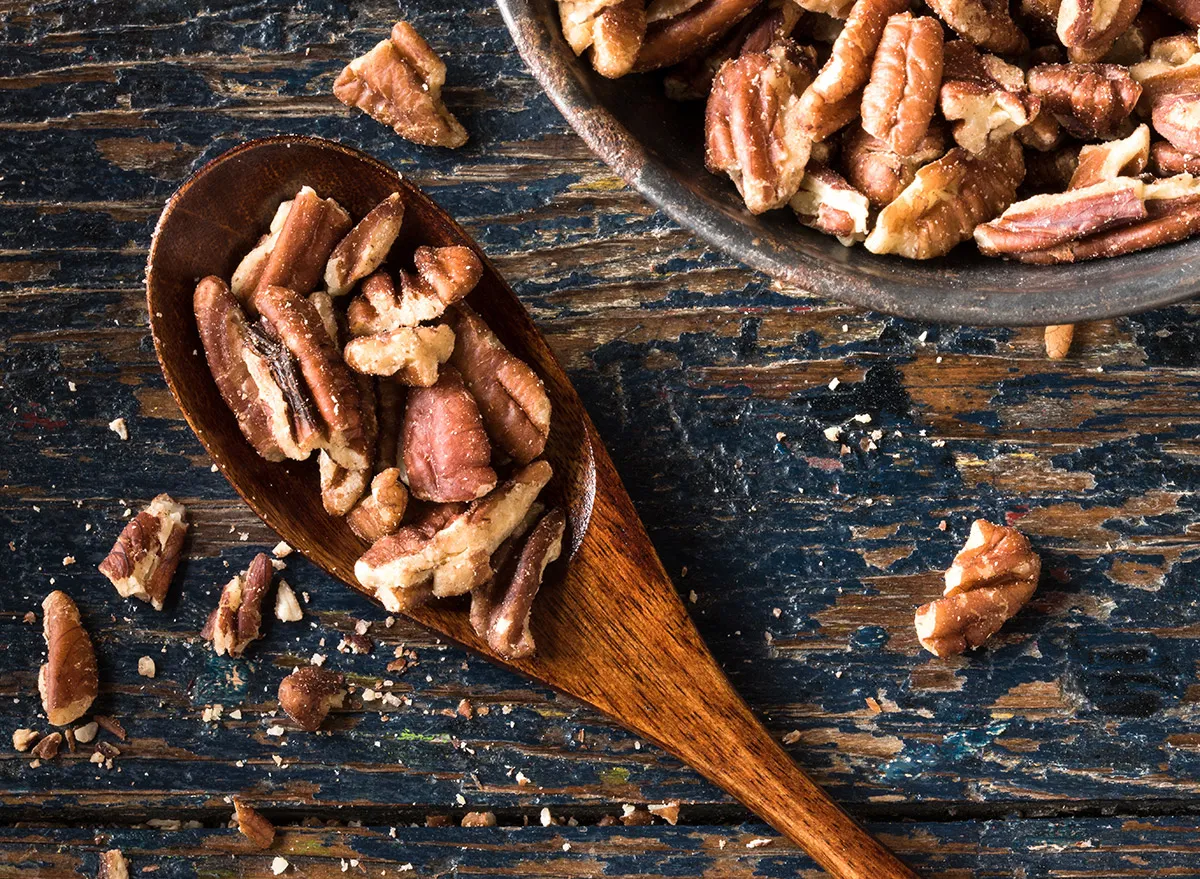
spoon of pecans on a table
Shutterstock

When you think of high-calorie foods your brain probably imagines processed foods, sometimes either packed with sugar or loaded with cheese dust, right? Did you know that sometimes foods that can be so healthy for you in some ways, like pecans, can also have a high-calorie content? We don't just mean the pie, either. According to the U.S. Department of Agriculture, there are about 200 calories in just a 1-ounce serving. When eating pecans, be sure to use moderation if you're trying to watch your calorie intake.

Also, if you're trying to avoid gain, in addition to using moderation when eating pecans, be sure to avoid pecans that come with added sugar or salt.

pecans in a bowl
Shutterstock

Eating pecans is one simple step that can be taken to help avoid not only cardiovascular problems, but also preventing diabetes and complications from diabetes. According to a study from Tufts University, eating pecans helps the body to avoid absorbing too much blood sugar.

"When eaten alone nuts have been shown to have a minimal effect on raising postprandial glucose in acute feeding studies, and may blunt the glycemic response to a high carbohydrate meal," the study says.

Scientists have also theorized that part of the reason that nuts are so good at stabilizing blood sugar is because of their high fiber content. Pecans contain some soluble fiber, which slows the absorption of sugar into your bloodstream, and also helps to decrease the risk of developing diabetes.

For even more snacking tips, read these next:

Adblock test (Why?)


Secret Side Effects of Eating Pecans, Says Science | Eat This Not That - Eat This, Not That
Read More

Sunday, October 3, 2021

Proven Ways to Prevent Obesity, Say Experts | Eat This Not That - Eat This, Not That

The science behind weight gain is getting more sophisticated; scientists have discovered it's a little more complicated than "calories in, calories out." Of course, it's key to watch what you eat and to be active, but there are right and wrong ways (and more efficient and less efficient ways) to do that. And if you don't supplement those pursuits with other essential healthy activities, you might torpedo your efforts. These are the latest proven ways to prevent obesity. Read on to find out more—and to ensure your health and the health of others, don't miss these Sure Signs You May Have Already Had COVID.

Woman Asleep In Bed As Sunlight Comes Through Curtains
Shutterstock

Getting sufficient sleep is one of the best things you can do to prevent obesity. Experts say poor sleep alters the production of leptin and ghrelin, two hormones that regulate appetite, and that can increase feelings of hunger. Not sleeping enough can also increase the production of the stress hormone cortisol, which tells the body to hold on to fat. Experts advise getting seven to nine hours of quality sleep each night to promote overall health, including a healthy weight.

RELATED: Sure Signs You May Have Dementia, According to the CDC

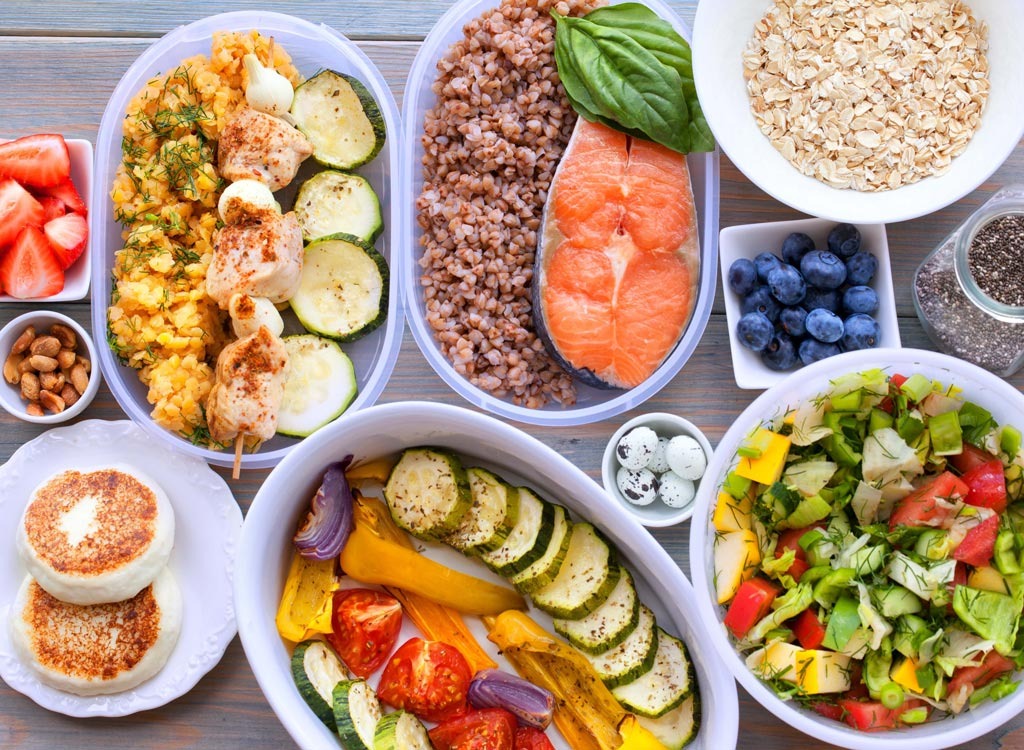
Veggies beans healthy dishes

Not all calories are created equal. The quality of what you eat can make the difference between a healthy weight and excessive body fat. Consuming processed foods and foods high in added sugar doesn't satisfy your body; it just spikes and crashes your blood sugar and makes you hungry for more. "In the United States, most people's diets are too high in calories—often from fast food and high-calorie beverages," says the Mayo Clinic. Substitute processed foods for nutritious, satisfying whole foods like lean proteins, fruits and vegetables, nuts, and healthy fats like olive oil—they'll fill you up while keeping the pounds off.

RELATED: 20 Signs of Cancer Usually Ignored by Women

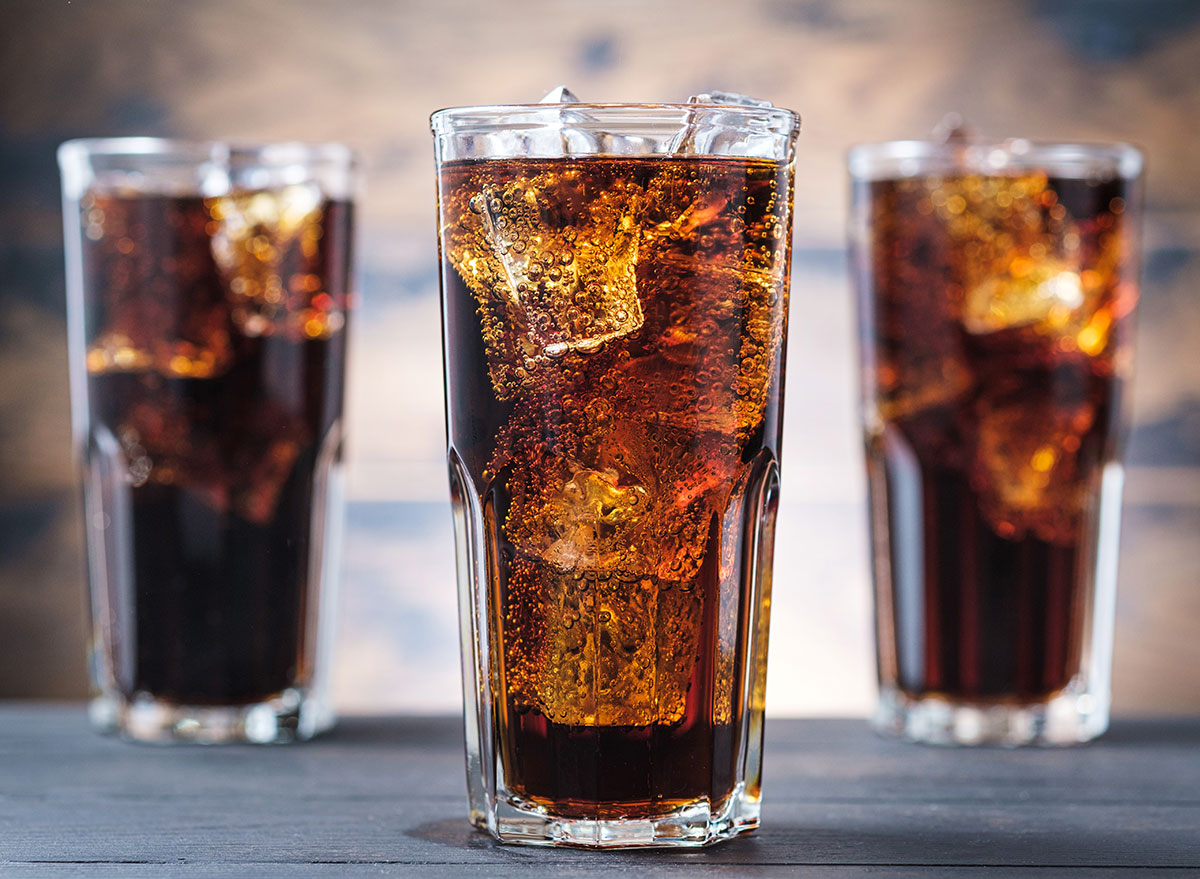
soda glasses
Shutterstock

Consuming sugar-sweetened drinks—like sodas and juices—can cause your daily calories to pile up even before you've eaten anything. That can cause the pounds to pile on. "People can drink many calories without feeling full, especially calories from alcohol," says the Mayo Clinic. "Other high-calorie beverages, such as sugared soft drinks, can contribute to significant weight gain." Ditch sugar-sweetened drinks and replace them with healthy substitutes like water (you can infuse it with fruits slices if you don't like the taste) or seltzer.

RELATED: The #1 Best Supplement to Take For Immunity, Says Science

Sad woman in anticipation of an order.
Shutterstock

For the last time: Starvation diets don't work. The latest research indicates that the body can sense when it's being starved or deprived; it tries mightily to maintain a kind of stasis and actually downshifts the metabolism to compensate for any sharp drop in calories. Your better bet is to eat a healthy diet full of high-quality, satisfying foods.

RELATED: 7 Things That Make You Look Older

arms up squat
Shutterstock

The UK's National Health Service is blunt: "Obesity is generally caused by eating too much and moving too little." Experts say the easiest thing you can do to prevent obesity is to exercise regularly. Incorporating resistance training (via free weights or bands, weight machines or your own body weight) is key—it builds lean muscle, which helps your metabolism burn more calories at rest. Experts advise that all adults get at least 150 minutes of moderate-intensity exercise (such as brisk walking, biking or gardening) each week. To lose weight, you may need more.

RELATED: One Major Side Effect of Taking Viagra, Study Says

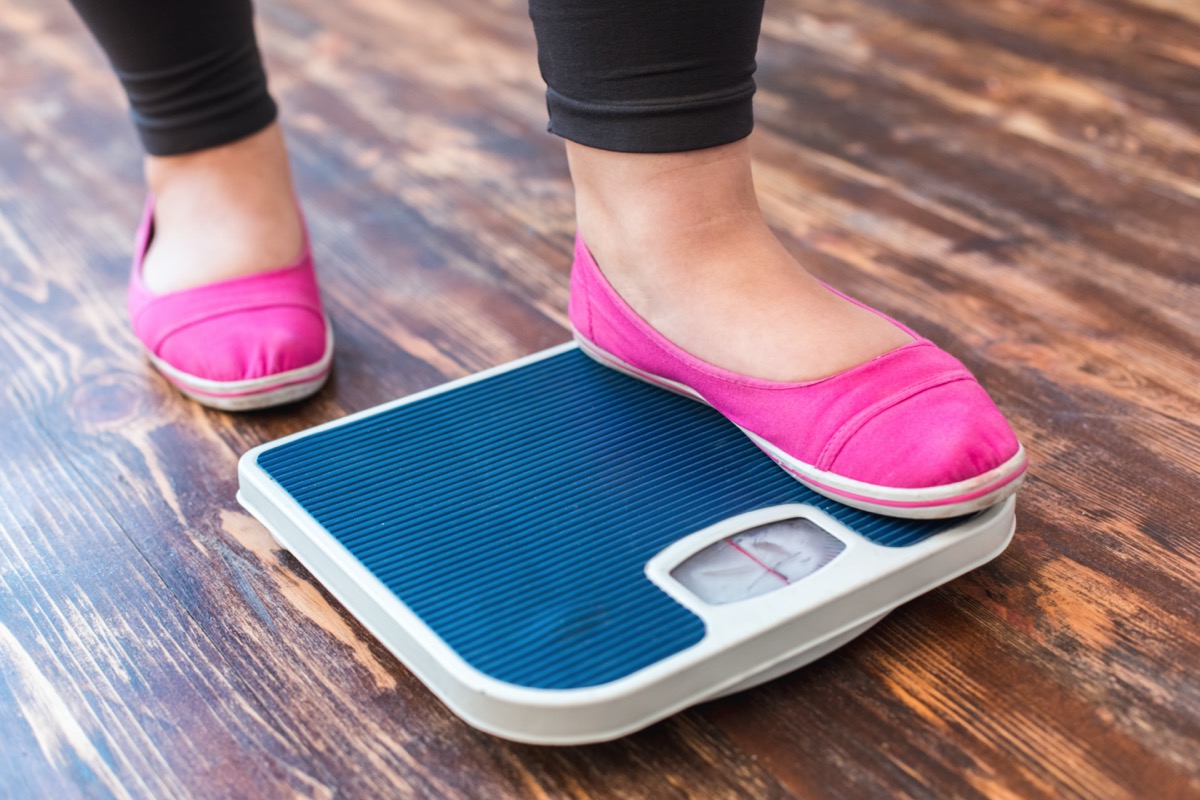
woman stepping on scale in pink flats
Shutterstock

"One of the best ways to stop obesity is to prevent slow, creeping weight gain that can occur over an extended period," says Kirsten Davidson, Ph.D., professor and associate dean for research at Boston College. "It's easy to consume 100 to 200 calories beyond what your body needs on a daily basis—this could be two cookies, for example—but over an extended period, this leads to weight gain." How to avoid the creep: Weigh yourself regularly. If you see the numbers on the scale start to climb, make some healthy changes. And to get through this pandemic at your healthiest, don't miss these 35 Places You're Most Likely to Catch COVID.

Adblock test (Why?)


Proven Ways to Prevent Obesity, Say Experts | Eat This Not That - Eat This, Not That
Read More

One Major Effect Eating Fiber Has on Your Liver, New Study Says | Eat This Not That - Eat This, Not That

Believe it or not, alcohol isn't necessarily the greatest contributor to liver disease… it's your diet in general. In fact, according to the Cleveland Clinic, non-alcoholic fatty liver disease affects a remarkable 25% of Americans, thanks to the way many eat. To help you maintain a healthy liver—an organ that is essential to ridding your body of toxins—a new study has identified a list of foods that researchers say are the best, and worst, at helping you steer clear of non-alcoholic fatty liver disease.

The peer-reviewed Journal of Nutrition has released the abstract for a soon-to-be-published study from a group of U.S. specialists in gastroenterology, hepatology (liver), nutrition, and public health. Recognizing that the effects of diet on the development of non-alcoholic fatty liver disease had rarely been assessed with respect to populations of multiple ethnicities, the researchers set out to do just that.

RELATED: The One Vitamin Doctors Are Urging Everyone To Take Right Now

The researchers asked 1,682 male and female participants between the ages of 60 and 77 to complete a questionnaire about their diet habits. The participants came from a range of backgrounds: African-American, Japanese American, Latino, Native Hawaiian, and white.

After self-reporting their eating habits, the participants underwent magnetic resonance imaging (MRI) to measure their liver fat, as well as a full-body dual-energy X-ray absorptiometry scan—more typically known as a DEXA—to determine their overall body fat.

The researchers report that liver fat percentages were higher on average for individuals who reported eating the most fat, saturated fat, cholesterol, red and processed meat, and coffee.

Conversely, liver fat percentages were lower for participants who reported higher intakes of Vitamin C, Vitamin E, and dietary fiber.

Shutterstock

It's known that fiber, sometimes colloquially known as "roughage," helps to flush the organs of waste, which could be one factor in this study's results. But also, foods that are high in fiber (like many vegetables, fruits, and grains) tend to be lower in non-beneficial fats while also delivering nutrients and compounds that can help to lower inflammation and fight disease in general.

So whether the fiber itself is to praise for the lower liver fat percentages in this study, this suggests a more balanced, nutritious diet in general may help contribute to liver health.

Get the Eat, This, Not That! newsletter for food and wellness news brought to you daily.

Also, check out:

Adblock test (Why?)


One Major Effect Eating Fiber Has on Your Liver, New Study Says | Eat This Not That - Eat This, Not That
Read More

The #1 Worst Drink for Men, New Study Suggests | Eat This Not That - Eat This, Not That

If you've gotten a little lax with your diet habits lately, it may be time to reel it in—and not just because of your weight. A new study, which is the largest of its kind to date, suggests that one particular type of beverage has the power to significantly affect men's capacity to reproduce. Here's what a team of nutrition and men's health experts, several of them from Harvard, have discovered in a study of nearly 3,000 young men.

With help from nutrition and epidemiology scientists in Scandinavia, researchers from Harvard Medical School, the Harvard T.H. Chan School of Public Health, and Brigham and Women's Hospital in Boston measured 10 years' worth of fertility data from the specimens of 2,935 healthy young men with a median age 19 years old. According to a study soon to be published in the peer-reviewed Human Reproduction journal, the researchers' goal was to understand the effects of sweetened beverages on semen quality and reproductive hormone levels.

RELATED: 15 Underrated Weight Loss Tips That Actually Work

As part of their method, the researchers asked the participants to self-report their intake of four types of drinks: Sugar-sweetened beverages, artificially sweetened beverages (such as diet soda), energy drinks, and juice.

At the conclusion, the team found that consumption of sugar-sweetened drinks was associated with, as they report, "lower sperm concentration, lower total sperm count, and a lower ratio of serum inhibin-B/FSH." (Serum inhibin-B/FSH is a marker of sperm production.)

In particular, the young men who most frequently drank a 7.5-ounce serving of sugar-sweetened beverage each day saw a 13.2 million per milliliter lower median sperm concentration than non-consumers. For reference, the Mayo Clinic states: "Normal sperm densities range from 15 million to greater than 200 million sperm per milliliter of semen."

The study's authors say other lifestyle factors that may have impacted the results should be taken into consideration. But, if their findings speak to you, it may be time to dial back on those sugary drinks.

For food and wellness news delivered daily, get the Eat This, Not That! newsletter.

Plus, get the latest here:

Adblock test (Why?)


The #1 Worst Drink for Men, New Study Suggests | Eat This Not That - Eat This, Not That
Read More

Opinion | Don’t Let Amazon Eat the Film Industry - The New York Times

Cinemagraph

In the 1930s and ’40s, five major Hollywood studios dominated the film industry and tried to lock up distribution and exhibition channels as well by taking over movie theaters across the country. Courts and regulators saw that allowing studios so much power up and down the film supply chain posed grave threats to the integrity of the industry and to viewer choice.

In 1938, the U.S. Justice Department filed an antitrust lawsuit charging that eight major motion picture companies — including Paramount Pictures, Twentieth Century-Fox, Loew’s Incorporated (the precursor of MGM), Warner Bros. Pictures and Columbia Pictures — were illegally fixing prices and monopolizing the market.

Eventually, the landmark set of Supreme Court decisions in 1948 known as the Paramount Decrees effectively outlawed that system and broke the hold of the big studios. This led to the creation of new local businesses, independent production studios, and more options for makers and viewers of film and TV.

There are eerie similarities between pre-1948 Hollywood and today’s streaming market. Dominant streamers own studios and commission “originals,” and are distributor-exhibitors as well. The top five streaming companies dominate this market.

Now a federal agency is investigating whether a proposed merger between Amazon and MGM will be positive or negative for the film industry. With MGM, Amazon would acquire a legendary studio with a deep library of 4,000 films and 17,000 hours of television, and distribution rights to seminal film franchises such as James Bond. This merger represents an opportunity for federal regulators to take a close look at how the streaming industry functions — for the filmmakers who fuel it and consumers who watch.

While Amazon is second to Netflix in the U.S. streaming market, it’s catching up fast. Unlike any other streamer, Amazon brings hundreds of billions of dollars in revenue and the power of a vast network of other lines of business to the fight. Amazon owns, among other things, a dominant streaming device — the Fire TV Stick. It is a major provider of internet back-end services through AWS: Amazon Web Services.

And Amazon can also leverage other parts of its multifaceted business to increase its market share.

The company, led by its billionaire founder, Jeff Bezos, used to maintain a streaming platform where independent filmmakers could directly post their work. The downsides were that it didn’t let them have any say in royalty rates for those submissions and even unilaterally lowered them on several occasions. Amazon also deleted thousands of independent films from the platform with no explanation or avenue of appeal. And then in February, it stopped accepting most independent submissions altogether. Filmmakers lost revenue but even more important, access to the platform.

These tactics work for the company. As Amazon’s founder, Jeff Bezos, has himself put it, “when we win a Golden Globe, it helps us sell more shoes.” But does it work for the rest of us? Some lucky independent filmmakers do get contracts with Amazon, especially if it looks as though they might win an Oscar or an Emmy. And some can catch the Amazon rep’s eye at a film festival. Most don’t. Those filmmakers who do get on Prime Video can’t find out basic information about who saw their films where, even though Amazon is surveilling viewer patterns obsessively. There are no Nielsen ratings, no box office records.

A lack of knowledge about viewership figures doesn’t just hinder filmmakers’ ability to negotiate. It also impairs their future because they can’t take that knowledge into their next project or use it to make an impression on a potential investor.

Would you like to watch one of these films in a public library? You can probably find a shelf of DVDs there. But you won’t find any electronic access to these movies. They’re trapped in individual subscriber accounts via Prime Video.

Amazon’s treatment of other media companies also should make you squirm. Are you a rival streamer who needs to get onto Fire Stick? Amazon has a price for that, and if you’re HBO Max, it might involve renewing your Amazon Web Service contract. And maybe you’ll just have to wait a year or so, as Peacock+ did, for negotiations with Amazon to work out.

Oh, and if you’re a small-fry streamer, the kind documentarians depend on? You just might be out in the cold. Ovid, a small streaming service that carries high-quality documentaries, can’t get a reply from Amazon, although it has repeatedly sought a channel on Amazon’s website. And there’s no one to ask why.

Amazon’s market power, which comes from not only its size but also its many overlapping businesses, is already cause for alarm among those who advocate for stronger antitrust laws. Adding MGM to their arena of power in the still-emerging streaming marketplace would further limit competition and innovation.

Indie filmmakers deserve a chance, and they may have found an ally in a coalition of the America’s largest labor unions, the Strategic Organizing Center, which also asked the Federal Trade Commission to block the deal. And the F.T.C. may be applying more scrutiny to “vertical integration” — a big company owning businesses throughout its supply chain, as when pre-1948 Hollywood studios also owned distribution and exhibition rights. That scrutiny is another good sign.

Consumers as well as creators need to embrace antitrust as a lever that can bring more diversity and competition into the streaming marketplace. Success could mean creators are better enabled to tell stories for a dynamic society. Inaction could mean propping up business models that just help companies can sell more shoes.

Patricia Aufderheide is a professor in the School of Communication at American University and the author of the book “Documentary Film: A Very Short Introduction.”

The Times is committed to publishing a diversity of letters to the editor. We’d like to hear what you think about this or any of our articles. Here are some tips. And here’s our email: letters@nytimes.com.

Follow The New York Times Opinion section on Facebook, Twitter (@NYTopinion) and Instagram.

Adblock test (Why?)


Opinion | Don’t Let Amazon Eat the Film Industry - The New York Times
Read More

Death Cafe, Where You Eat Snacks and Talk About Mortality | Montana News | US News - U.S. News & World Report

[unable to retrieve full-text content]

Death Cafe, Where You Eat Snacks and Talk About Mortality | Montana News | US News  U.S. News & World Report
Death Cafe, Where You Eat Snacks and Talk About Mortality | Montana News | US News - U.S. News & World Report
Read More

Anushka Sharma Reveals She Eats Dinner By 6PM With Husband Virat Kohli - NDTV Food

The lives of our favourite celebrities are a source of much curiosity and intrigue among us. We often wonder how these stars stay in such ...